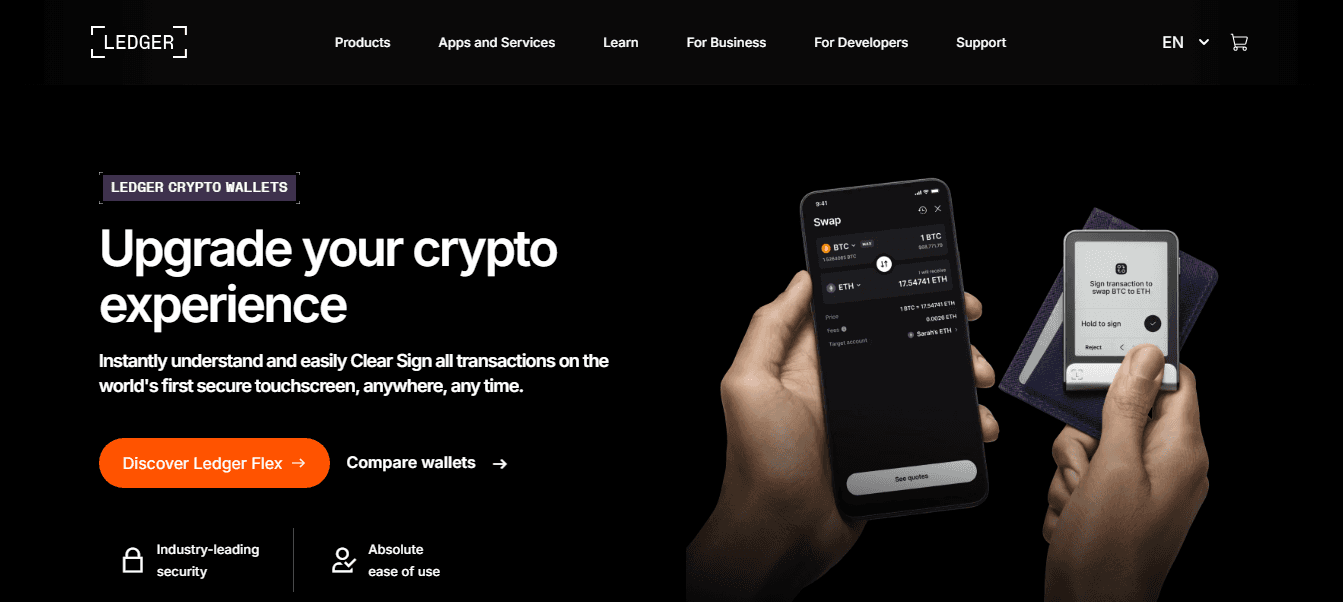
Ledger Login: Secure Access to Your Ledger Wallet
Ledger wallets are among the most secure ways to store cryptocurrency, and Ledger Login is the official method for accessing your Ledger wallet and managing digital assets safely. Unlike traditional online logins, Ledger Login relies on hardware authentication, PIN verification, and Ledger Live, ensuring that your private keys remain offline and protected.
This guide explains what Ledger Login is, how it works, and best practices for safe access.
What Is Ledger Login?
Ledger Login is the process of authenticating your Ledger device through Ledger Live or supported platforms to access wallet features.
Key points:
Private keys remain on the device, never online
Login requires the physical Ledger wallet
PIN codes confirm authorized access
Recovery phrases allow backup access if the device is lost
Ledger Login ensures your crypto remains fully self-custodied and secure.
How Ledger Login Works
Ledger Login is fundamentally different from username/password logins:
Hardware Authentication – Only the physical device can authorize access.
PIN Verification – Ensures only authorized users can unlock the wallet.
Device Verification – Confirms the wallet hasn’t been tampered with.
Recovery Seed Backup – Enables wallet restoration if the device is lost or damaged.
This multi-layer approach protects against hacking, phishing, and malware attacks.
Platforms Supporting Ledger Login
Ledger Login can be performed on:
Ledger Live (Desktop & Mobile) – Official software for full wallet management
Verified Web Wallets – Secure platforms supporting Ledger device authentication
Trusted Third-Party Wallets – Only officially verified apps compatible with Ledger hardware
Always use official or verified platforms to ensure safety.
Step-by-Step Ledger Login Process
Connect Your Ledger Device – Use a USB cable or Bluetooth (for Nano X).
Open Ledger Live or Verified Platform – Confirm the app is official.
Enter Your PIN on the Device – Authenticate ownership.
Verify Device Authenticity – Ledger Live or platforms may prompt verification.
Access Wallet Features – Check balances, manage accounts, and approve transactions.
This ensures your private keys never leave the device.
The Role of PIN in Ledger Login
The PIN code is a critical security measure:
Confirms that the wallet owner is the one accessing the device
Protects the device if lost or stolen
Multiple incorrect attempts can lock or reset the wallet
Works with the recovery phrase for complete security
A strong, unique PIN is essential to prevent unauthorized access.
Recovery Phrase: Your Backup Key
The recovery phrase is vital for Ledger Login:
A 24-word phrase used to restore the wallet on a new device
Must be written offline and stored securely
Never share it digitally
Required for device restoration in case of loss or damage
Proper handling ensures you can always regain access.
Secure Transactions After Login
Even after logging in, transactions require on-device confirmation:
Confirms recipient addresses and amounts
Protects against malware or unauthorized software transactions
Keeps private keys offline
This step ensures that all actions are verified and secure.
Two-Factor Authentication (2FA) for Extra Security
Some platforms may allow Ledger Login to be combined with 2FA:
Time-based one-time passwords (TOTP)
Email or SMS verification
Additional hardware key verification
2FA adds an extra layer of protection for critical actions and login access.
Troubleshooting Common Ledger Login Issues
Device Not Recognized – Check USB/Bluetooth connection, try another port.
Forgot PIN – Restore the wallet on a new device using the recovery phrase.
Ledger Live Issues – Ensure the app is updated and official.
Browser Compatibility – Use updated and supported browsers for web logins.
Official Ledger support provides guidance for resolving these issues.
Best Practices for Safe Ledger Login
Only use official Ledger apps and verified platforms
Never share your PIN or recovery phrase
Keep the device offline when not in use
Verify device authenticity before logging in
Update firmware regularly
Following these practices ensures secure, reliable access to your wallet.
Enterprise Use of Ledger Login
Organizations using Ledger can leverage secure login protocols:
Multi-user transaction approvals
Hardware authentication for each authorized user
Recovery seed backup for organizational continuity
Audit-ready transaction tracking
Ledger Login provides both individual and enterprise-level security.
Conclusion
Ledger Login is a hardware-based authentication process designed to keep your cryptocurrency safe. By combining PIN verification, recovery phrase backup, and on-device confirmation, it ensures that your assets remain under your control.
Using official platforms and following best practices guarantees secure access for both personal and enterprise users.